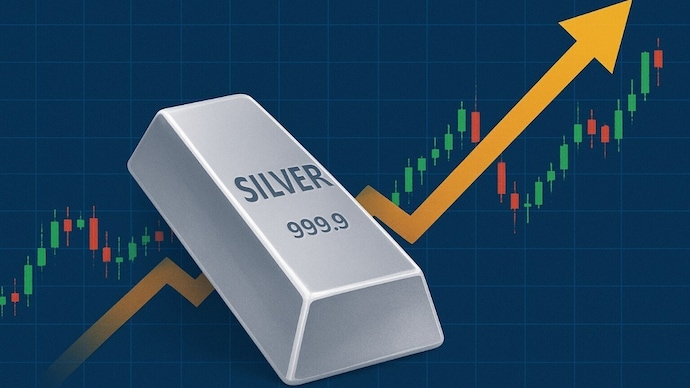
Silver prices have surged to record highs, drawing strong attention from investors, traders, and market participants. The sharp rise has sparked fresh interest in the precious metal, with many wondering what is driving the rally and whether it is the right time to invest. Market experts suggest that silver’s upward movement is not the result of a single factor but a combination of powerful global and domestic triggers.
Multiple Factors Fueling the Silver Rally
Unlike short-term price spikes driven by speculation, the current rally in silver appears to be supported by strong underlying fundamentals. Analysts point out that rising industrial demand, safe-haven buying, global economic uncertainty, and supply constraints are all contributing to the surge in prices.
Silver is unique among precious metals because it plays a dual role. It is both a store of value and an essential industrial metal, making it particularly sensitive to changes in economic and technological trends.
CryptoCacti.org | cryptograd.net | toplearningideas.com
insiderspirit.com | bringsyoustyle.com
Strong Industrial Demand Boosts Prices
One of the biggest drivers behind silver’s recent surge is growing industrial demand. Silver is widely used in electronics, electric vehicles, solar panels, medical equipment, and advanced technologies. With the global push toward renewable energy and clean technology, demand for silver has increased significantly.
The rapid expansion of solar power installations worldwide has been a major catalyst. Silver is a critical component in photovoltaic cells, and rising investments in green energy have sharply increased consumption. As industries continue to scale up production, silver demand is expected to remain strong in the coming years.
Safe-Haven Demand Amid Global Uncertainty
Silver prices are also benefiting from increased safe-haven buying. Ongoing geopolitical tensions, concerns over global economic growth, inflation risks, and uncertainty around interest rate movements have pushed investors toward precious metals.
While gold traditionally attracts most safe-haven flows, silver often follows closely, especially during periods of heightened market volatility. In some cases, silver tends to outperform gold due to its lower price point and higher volatility, making it attractive to both retail and institutional investors.
Supply Constraints Add to the Momentum
On the supply side, silver production has struggled to keep pace with rising demand. Mining output growth has remained relatively limited due to operational challenges, rising costs, and reduced investments in new mining projects over previous years.
Additionally, a significant portion of silver supply comes as a by-product of mining other metals such as zinc, lead, and copper. Any slowdown or disruption in these sectors can indirectly affect silver supply, further tightening the market and supporting higher prices.
Weak Dollar and Interest Rate Expectations
Global macroeconomic conditions have also played a role in silver’s rally. A weaker US dollar typically makes commodities priced in dollars more attractive to investors. At the same time, expectations of interest rate cuts or a pause in tightening cycles tend to favor non-yielding assets like silver.
Lower real interest rates reduce the opportunity cost of holding precious metals, encouraging investors to increase exposure to silver as a hedge against inflation and currency depreciation.
How Does Silver Compare to Gold?
Silver’s recent performance has sparked comparisons with gold. While gold remains the preferred choice for conservative investors, silver is often seen as a higher-risk, higher-reward alternative. During strong precious metal rallies, silver historically tends to rise faster than gold due to its industrial demand and lower market size.
However, this also means silver can experience sharper corrections. Investors should be aware that silver prices are typically more volatile than gold, making timing and risk management especially important.
Should You Buy Silver Now?
The key question for investors is whether silver still offers value at current levels. Market experts remain divided. Some believe that strong fundamentals and long-term demand drivers could support further upside, especially if global uncertainty persists and industrial demand continues to rise.
Others caution that after a sharp rally, short-term corrections are possible. Prices may consolidate or pull back as traders book profits. For investors with a long-term horizon, staggered or systematic investments may help reduce timing risk.
Investment Options for Silver
Investors can gain exposure to silver through multiple routes. Physical silver, such as coins and bars, remains popular among traditional investors. Silver exchange-traded funds (ETFs) offer a more convenient and liquid option, while futures and derivatives are suited for experienced traders willing to manage higher risk.
Silver mining stocks are another indirect way to benefit from rising prices, though they carry company-specific risks in addition to commodity price movements.
Risks to Keep in Mind
Despite the positive outlook, silver investments are not without risks. Price volatility, global economic slowdowns, changes in industrial demand, and shifts in monetary policy can all impact silver prices. Investors should carefully assess their risk tolerance before increasing exposure.
Diversification remains crucial, and silver should ideally form part of a balanced investment portfolio rather than a standalone bet.
Conclusion
Silver’s rise to record highs is being driven by a powerful mix of industrial demand, supply constraints, safe-haven interest, and supportive macroeconomic conditions. While the long-term outlook remains constructive, short-term volatility cannot be ruled out after the recent surge.
For investors, the decision to buy silver now should depend on investment goals, risk appetite, and time horizon. A disciplined approach, backed by proper research and diversification, can help navigate the opportunities and risks presented by silver’s strong momentum.