The way businesses view office space has transformed significantly in recent years. As work cultures evolve and organisations prioritise agility, flexible offices have emerged as one of the most preferred solutions for companies of all sizes. Instead of committing to long-term leases or investing heavily in owned spaces, corporations are intentionally reallocating portions of their real estate portfolios into flexible and fully serviced workspaces. This shift reflects a broader strategy focused on efficiency, cost optimisation, and employee-centric work environments.
Changing Work Models Demand Agility
The adoption of hybrid and remote work models has encouraged companies to rethink the need for large, permanent office spaces. Many organisations no longer require extensive seating arrangements when a portion of the workforce works from home or in distributed locations. Flexible offices allow companies to scale their space up or down based on actual demand rather than long-term forecasts.
This agility helps businesses avoid the risks associated with traditional leases. Instead of predicting headcount growth years in advance, companies can adjust quickly to market conditions, project expansions, or downsizing needs. This level of flexibility is particularly valuable for industries experiencing rapid digital transformation and fluctuating operational requirements.
Cost Efficiency and Better Resource Allocation
Owning or leasing large office spaces involves substantial capital expenditure, including furniture, maintenance, utilities, and technology infrastructure. Flexible offices eliminate the need for these upfront costs. Most serviced workspaces offer a plug-and-play environment where everything—from high-speed internet to meeting rooms—is included in a single monthly fee.
This predictable cost structure helps businesses streamline budgeting and redirect financial resources toward core operations such as product development, marketing, and talent acquisition. For many corporations, this shift is a strategic move aimed at boosting overall efficiency and profitability.
ventssmagazine.com | thegamesstudio.com | bookoverlook.com
manufacturplants.com | CanStarMedia.com
Fully Serviced Workspaces Enhance Productivity
Flexible offices are designed to enhance productivity through modern layouts, ergonomic furniture, collaborative zones, and private meeting rooms. These workspaces are managed by professional operators who take care of cleaning, security, maintenance, and IT support. As a result, employees enjoy a seamless work environment that allows them to focus on their tasks without operational disruptions.
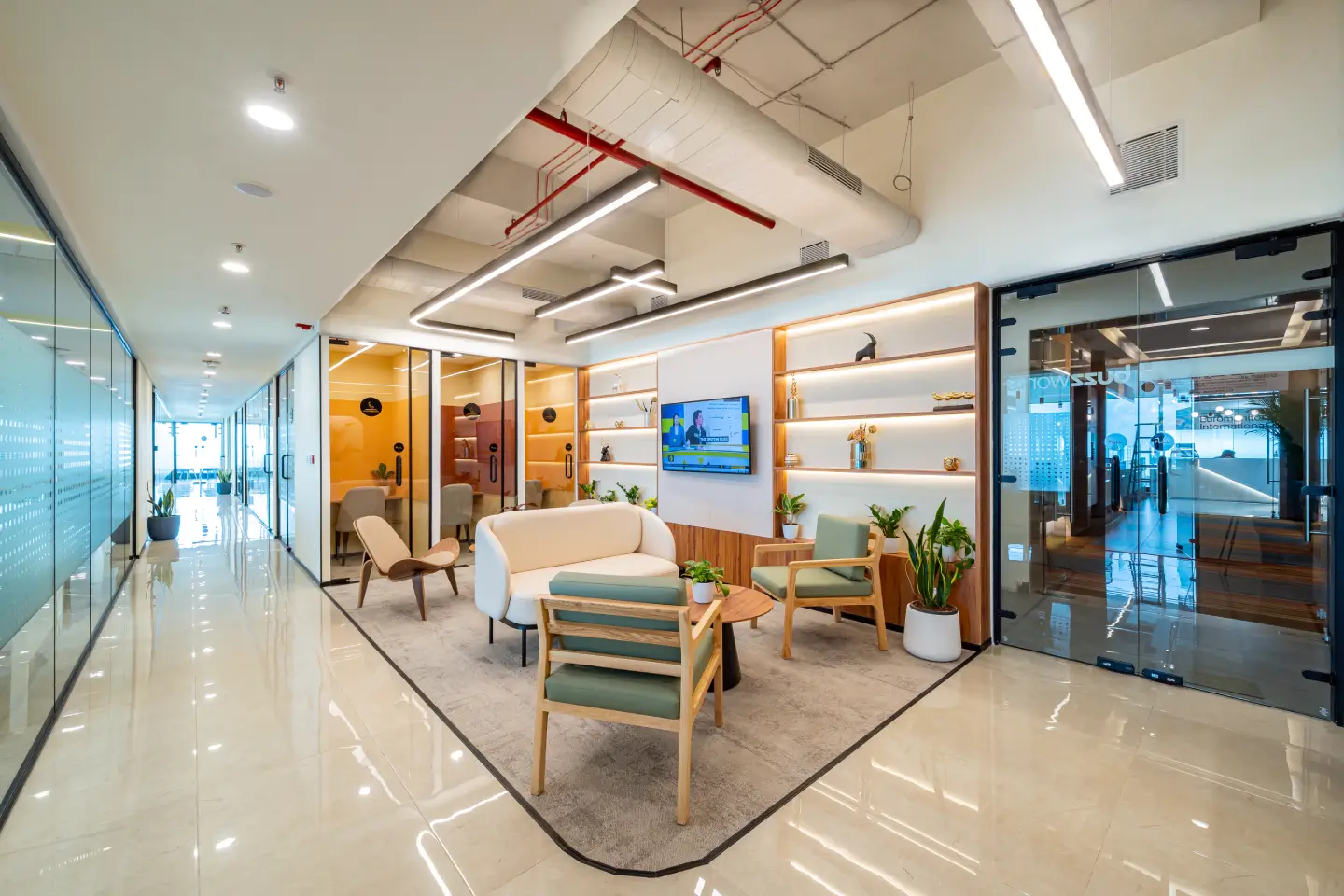
Additionally, flexible offices often provide amenities like wellness rooms, breakout lounges, cafeterias, and networking areas. Such features contribute to a healthier and more engaging workplace, which ultimately improves employee satisfaction and retention.
Support for Business Expansion and New Market Entry
For companies looking to expand into new regions or test emerging markets, flexible offices offer a low-risk entry strategy. Instead of investing heavily in physical infrastructure, organisations can set up teams in fully serviced spaces within days. This allows businesses to experiment with new locations, build local teams, and understand market dynamics without being burdened by long-term commitments.
Startups and multinational corporations alike benefit from this approach. It accelerates expansion efforts and provides the operational stability needed to compete effectively.
A Shift in Corporate Real Estate Strategy
Corporations are increasingly diversifying their real estate strategies to include a mix of owned, leased, and flexible spaces. By intentionally reallocating portions of their portfolios into flexible and fully serviced workspaces, businesses gain a more dynamic approach to their real estate needs. This shift minimises inefficiencies and reduces the financial risks associated with unused or underutilised office space.
In addition, flexible office providers continuously upgrade their facilities with the latest technology, sustainability features, and smart systems. Companies benefit from these advancements without investing directly in expensive upgrades.
Enhanced Collaboration and Networking Opportunities
Flexible offices bring together businesses from various industries, creating a vibrant ecosystem of collaboration. Shared spaces foster networking, innovation, and potential partnerships. Many operators organise events, workshops, and community activities that help companies develop new ideas and build professional networks.
This collaborative environment is especially beneficial for startups and SMEs, but even large enterprises gain value by exposing their teams to diverse perspectives and industry insights.
Sustainability and Reduced Environmental Impact
Owning or leasing large office spaces often leads to energy inefficiency and excess resource consumption. Flexible offices, on the other hand, optimise space usage by hosting multiple businesses under one roof. This shared-resource model reduces the overall environmental footprint.
Many serviced workspaces also incorporate sustainable practices such as energy-efficient lighting, recycling systems, and eco-friendly materials. Companies using these spaces indirectly contribute to greener operations without investing in sustainability infrastructure themselves.
Future of Work: Flexibility Will Lead the Way
As businesses adapt to changing workforce expectations and economic uncertainties, the demand for flexible office solutions is expected to continue growing. Companies are prioritising agile strategies that support innovation, resilience, and employee well-being. Flexible offices align perfectly with these goals, offering the freedom to scale, experiment, and operate efficiently.
In the future, corporate real estate will likely consist of a balanced mix of traditional headquarters, flexible office hubs, and remote working arrangements. Organisations that embrace this hybrid approach will be better positioned to thrive in a dynamic and competitive landscape.