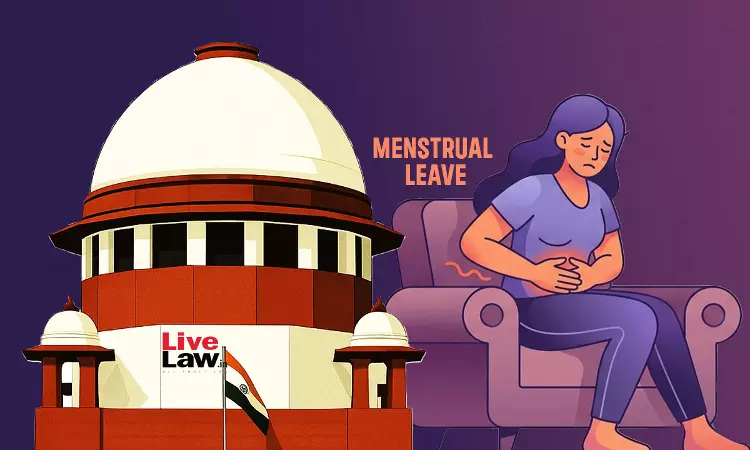
The debate around workplace equality and women’s health has gained renewed attention after observations made by the Supreme Court of India while hearing a petition seeking mandatory menstrual leave for working women. The bench, led by Surya Kant, suggested that such policies must be carefully considered to avoid unintended consequences, including potential discrimination against women in the workplace.
The court did not immediately order the implementation of menstrual leave but instead asked the Government of India to examine the issue. It encouraged the government to consult stakeholders such as employers, employees, and policymakers to determine whether a structured national policy could be introduced.
The discussion has sparked widespread debate across India about balancing workplace equality, health rights, and professional opportunities for women.
Table of Contents
ToggleUnderstanding the Petition for Mandatory Menstrual Leave
The case before the Supreme Court originated from a petition seeking a nationwide policy that would grant paid menstrual leave to women employees and students. The petitioner argued that menstruation can involve severe physical discomfort, fatigue, and health complications that may affect productivity and well-being.
Supporters of the proposal believe that a formal leave policy would acknowledge biological realities and help create more inclusive workplaces. Many advocates argue that such policies could reduce stigma surrounding menstruation and allow women to manage their health without fear of professional penalties.
However, the court expressed caution about making menstrual leave mandatory across all sectors. During the hearing, the bench noted that policies designed with good intentions could sometimes lead to unintended consequences, especially in competitive professional environments.
Instead of issuing immediate directions, the court recommended a broader consultation process that could examine the social, economic, and legal implications of such a policy.
Supreme Court’s Concern About Workplace Discrimination
One of the key concerns raised by the Supreme Court bench was the possibility that mandatory menstrual leave could unintentionally affect women’s career opportunities. Justice Surya Kant observed that employers might become hesitant to hire women if they perceive additional mandatory leave requirements as increasing operational costs.
The bench noted that policies must strike a balance between protecting women’s health and ensuring that women are not indirectly disadvantaged in hiring decisions or career advancement. If companies believe that employing women requires additional leave benefits not applicable to male employees, it could lead to subtle or indirect discrimination in recruitment.
This concern reflects a broader challenge faced by policymakers worldwide: how to create supportive workplace policies without reinforcing stereotypes or reducing professional opportunities.
The court’s observation that “their careers will be over” highlighted the potential risk that poorly designed policies might discourage employers from hiring women in certain roles.
Existing Policies and Global Perspectives
While India does not currently have a nationwide mandatory menstrual leave policy, some organizations and institutions have voluntarily introduced such benefits. Certain private companies and educational institutions have adopted menstrual leave policies to support employees experiencing severe menstrual symptoms.
Internationally, a few countries have experimented with similar policies. For example, Japan introduced menstrual leave provisions in its labor laws decades ago. Countries such as South Korea and Indonesia also allow menstrual leave under specific conditions.
However, the implementation and effectiveness of these policies vary widely. In some cases, cultural stigma or workplace pressure discourages women from actually using the leave provisions available to them.
These global examples illustrate that menstrual leave policies require careful design, supportive workplace culture, and strong implementation frameworks to achieve their intended purpose.
Health Considerations and Workplace Well-Being
Menstruation is a natural biological process experienced by millions of women every month. For many individuals, menstrual cycles can include symptoms such as cramps, fatigue, headaches, nausea, and hormonal changes.
Medical professionals recognize that some individuals experience severe conditions like Dysmenorrhea or Endometriosis, which can significantly affect daily activities.
Advocates for menstrual leave argue that workplace policies should account for these health challenges. Providing flexibility or optional leave could help employees maintain productivity over the long term by allowing them to recover when symptoms are severe.
At the same time, some experts suggest that flexible work arrangements, remote work options, and improved workplace health policies might offer alternative solutions without making menstrual leave mandatory across all industries.
Government Consultation and Policy Considerations
Rather than issuing a judicial directive, the Supreme Court asked the central government to examine the issue more closely. The court emphasized the importance of consulting multiple stakeholders, including employers’ associations, labor organizations, healthcare experts, and women’s rights groups.
Such consultations could help policymakers better understand the potential impact of menstrual leave policies on workplaces across different sectors. Industries with physically demanding roles may face different challenges compared to sectors with more flexible work environments.
The government may also evaluate existing labor laws and gender equality frameworks before considering any nationwide policy changes. These discussions could explore options such as voluntary policies, flexible leave systems, or targeted support for employees experiencing severe menstrual health issues.
Social Debate and Changing Workplace Norms
The Supreme Court’s observations have triggered a larger public conversation about gender equality in workplaces. Supporters of menstrual leave see it as a progressive step toward recognizing women’s health needs. They argue that workplaces should adapt to biological realities rather than expecting all employees to function under identical conditions.
Critics, however, worry that mandatory policies could reinforce stereotypes about women being less capable or less reliable employees. Some believe that broader workplace reforms—such as flexible schedules, inclusive health policies, and gender-sensitive management practices—may be more effective.
The debate reflects changing social attitudes toward women’s health and workplace inclusivity. In recent years, discussions about menstrual health have become more open, encouraging institutions to rethink traditional policies.
The Road Ahead for Policy and Workplace Equality
The Supreme Court’s decision to encourage government consultation rather than issuing immediate orders indicates the complexity of the issue. Policies affecting millions of workers must carefully balance health rights, gender equality, and economic realities.
Any future menstrual leave policy in India will likely require detailed research, consultation with stakeholders, and thoughtful policy design. Experts emphasize that the goal should be to support women’s well-being while ensuring that workplace equality remains protected.
As discussions continue, the issue has already achieved one important outcome: bringing menstrual health into mainstream conversations about workplace rights and gender equality.
Ultimately, the path forward may involve a combination of policies, workplace flexibility, and cultural change. By approaching the issue thoughtfully and collaboratively, policymakers can work toward solutions that promote both women’s health and professional opportunities in modern workplaces.
suplake.com suplake.com suplake.com suplake.com suplake.com suplake.com suplake.com suplake.com suplake.com suplake.com suplake.com suplake.com suplake.com suplake.com suplake.com suplake.com suplake.com suplake.com suplake.com suplake.com suplake.com suplake.com suplake.com suplake.com suplake.com suplake.com suplake.com suplake.com suplake.com suplake.com suplake.com suplake.com suplake.com suplake.com suplake.com suplake.com suplake.com suplake.com suplake.com suplake.com suplake.com suplake.com suplake.com suplake.com suplake.com suplake.com suplake.com suplake.com suplake.com suplake.com suplake.com suplake.com suplake.com suplake.com suplake.com suplake.com suplake.com suplake.com suplake.com suplake.com suplake.com suplake.com suplake.com suplake.com suplake.com suplake.com suplake.com suplake.com suplake.com suplake.com suplake.com suplake.com suplake.com suplake.com suplake.com suplake.com suplake.com suplake.com suplake.com suplake.com suplake.com suplake.com suplake.com suplake.com suplake.com suplake.com suplake.com suplake.com suplake.com suplake.com suplake.com suplake.com suplake.com suplake.com suplake.com suplake.com suplake.com suplake.com suplake.com suplake.com suplake.com suplake.com suplake.com suplake.com suplake.com suplake.com suplake.com suplake.com suplake.com suplake.com suplake.com suplake.com suplake.com suplake.com suplake.com suplake.com suplake.com suplake.com suplake.com suplake.com suplake.com suplake.com suplake.com suplake.com suplake.com suplake.com suplake.com suplake.com suplake.com suplake.com suplake.com suplake.com suplake.com suplake.com suplake.com suplake.com suplake.com suplake.com suplake.com suplake.com suplake.com suplake.com suplake.com suplake.com suplake.com suplake.com suplake.com suplake.com suplake.com suplake.com suplake.com suplake.com suplake.com suplake.com suplake.com suplake.com suplake.com suplake.com suplake.com suplake.com suplake.com suplake.com suplake.com suplake.com suplake.com suplake.com suplake.com