Apple continues to dominate the tech world with its innovations in devices, displays, and computing. The company’s recent launch of the M5 iPad Pro in October 2025 has not only impressed users with performance upgrades but also revealed intriguing hints about future Apple products, particularly the next-generation Apple Studio Display, expected in 2026. According to leaks and insider information, the new Studio Display could finally feature a 120Hz refresh rate, marking a significant upgrade for Apple’s high-end monitors.
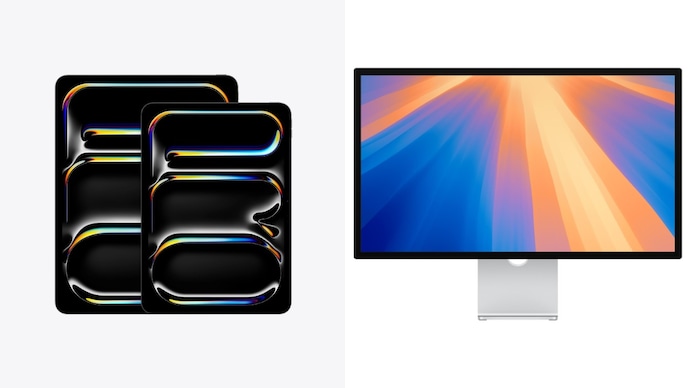
This article explores what the leak suggests, why a 120Hz display is important, the potential impact on professionals and creatives, and what it means for Apple’s broader product ecosystem.
The M5 iPad Pro and Its Connection to the Studio Display
Apple unveiled the M5 iPad Pro with its advanced M5 chip, which delivers remarkable performance for computing, graphics, and AI tasks. Alongside improvements in processing power, battery life, and connectivity, the launch sparked speculation among analysts and developers about how Apple is leveraging its new technologies across its ecosystem.
lafoxmedia.com | thewayofthegame.net | thecryptolark.org
lawsect.com | MyGrowingPeople.com
What the Leak Suggests
According to insiders:
-
The M5 iPad Pro architecture may support features previously exclusive to high-end Macs.
-
One feature, the 120Hz refresh rate, may also be coming to the next-gen Studio Display, scheduled for release in 2026.
-
This information comes from references in the device’s firmware and compatibility files, hinting at cross-device integration.
In short, the leak indicates that Apple is preparing to unify the user experience across iPads, Macs, and external displays, offering smoother visuals and higher responsiveness.
Why a 120Hz Display Matters
A refresh rate of 120Hz means that the display refreshes 120 times per second, doubling the standard 60Hz experience found in most monitors. For users, this offers several benefits:
1. Smoother Visuals
Animations, scrolling, and cursor movements appear more fluid. This is especially noticeable when:
-
Navigating large documents or websites
-
Working with design software like Adobe Photoshop or Illustrator
-
Editing videos in Final Cut Pro or Premiere Pro
2. Improved Responsiveness
High refresh rates reduce input lag, making interactions feel immediate. For professionals using the Studio Display with Apple devices, this improves the overall workflow.
3. Better Support for Creative Work
Artists, designers, and video editors benefit from smoother motion when drawing, animating, or editing. A 120Hz display ensures that every stroke or frame update happens without visible lag.
4. Enhanced Gaming and AR/VR Potential
Although the Studio Display is primarily for professional work, higher refresh rates improve gaming experiences, AR development, and simulation software, expanding the display’s use cases.
Apple Studio Display: A Quick Overview
Apple first introduced the Studio Display in 2022, targeting creative professionals seeking a high-quality monitor. Its key features included:
-
5K Retina resolution for crystal-clear visuals
-
P3 wide color gamut for accurate colors
-
True Tone technology for balanced brightness
-
Sleek aluminum design with minimal bezels
-
Built-in speakers, camera, and microphones for all-in-one functionality
Despite these innovations, one limitation noted by users and reviewers was the 60Hz refresh rate, which lagged behind other professional monitors capable of 120Hz or higher. A jump to 120Hz in the next-generation model would address this long-standing concern.
Expected Features of the 2026 Studio Display
While Apple has not officially confirmed the next-gen Studio Display, leaks suggest the following improvements:
1. 120Hz Refresh Rate
The primary upgrade highlighted by the M5 iPad Pro leak. This aligns with Apple’s goal of providing smoother and more responsive visuals for creative professionals.
2. Mini-LED or OLED Backlighting
Apple may adopt mini-LED or OLED panels for improved contrast, deeper blacks, and higher brightness, enhancing color accuracy for video and photo editing.
3. Improved Camera and Audio
Enhanced 1080p or 4K camera with better microphones and speakers is expected, further positioning the display as an all-in-one workstation.
4. Advanced Connectivity
Support for Thunderbolt 4, USB-C ports, and high-speed data transfer will make the display more versatile, especially when connecting to iPads, MacBooks, and future Apple Silicon devices.
5. ProMotion Integration
Apple’s ProMotion technology, which dynamically adjusts refresh rates based on content, could allow the Studio Display to switch between 60Hz and 120Hz automatically. This balances smooth performance with power efficiency.
Implications for Professionals and Creatives
A 120Hz Studio Display would be particularly significant for Apple’s creative user base, including:
-
Graphic designers: More fluid brush strokes in drawing apps
-
Video editors: Smooth playback and editing of high-frame-rate content
-
3D artists and animators: Better motion clarity for modeling and animation
-
Developers: Enhanced responsiveness when testing apps or games
By integrating higher refresh rates with color-accurate panels, Apple is likely aiming to consolidate its reputation as a premium brand for professionals.
Integration With Apple Ecosystem
One of Apple’s major advantages is its ecosystem. The leak suggests that the Studio Display’s 120Hz capability could work seamlessly with M5-powered devices, including:
-
M5 iPad Pro
-
Mac Studio and MacBook Pro with Apple Silicon
-
iPhone and iPad for AirPlay or Sidecar features
This interoperability ensures that users can enjoy smoother visuals and faster performance across multiple devices, improving productivity and the overall experience.
Market Positioning and Competition
Currently, several monitors in the market already offer 120Hz or higher refresh rates, including brands like LG, Dell, and ASUS. However, Apple’s Studio Display combines:
-
High resolution (5K or higher)
-
Color accuracy (P3 wide gamut)
-
Premium build quality
-
Integrated camera, audio, and connectivity
A 120Hz refresh rate would help Apple catch up with competitors while maintaining its premium positioning, attracting professionals who prioritize both performance and aesthetics.
Expected Launch and Pricing
Although Apple has not announced official details, industry analysts expect:
-
Launch Year: 2026
-
Price Range: Likely starting at $1,499–$1,699, maintaining Apple’s premium pricing strategy
-
Availability: Global launch, with pre-orders through Apple Stores and online
Pricing may vary depending on configuration, panel type (mini-LED or OLED), and additional features such as ProMotion and enhanced connectivity.
Conclusion
The M5 iPad Pro leak has given tech enthusiasts and professionals a glimpse into Apple’s future plans. The potential introduction of a 120Hz refresh rate for the next-generation Studio Display in 2026 is a major development. This upgrade would not only bring smoother visuals and improved responsiveness but also enhance the professional workflow for designers, video editors, and developers.
By combining high refresh rates, color accuracy, and premium build quality, Apple is likely aiming to solidify its position as a leader in professional displays. For users, the upcoming Studio Display promises to deliver a more immersive and productive experience, integrating seamlessly with Apple’s ecosystem of M5-powered devices.
As we await official announcements, the leak underscores Apple’s commitment to innovation, improving both performance and usability across its product lineup. If these rumors hold true, 2026 may mark a significant step forward in professional display technology for Apple users worldwide.