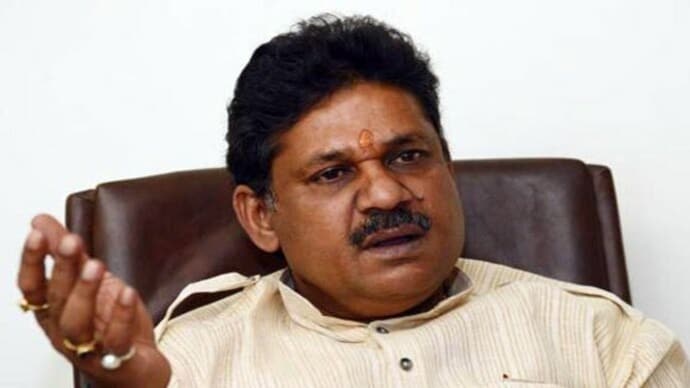
Cricketer-turned-politician Kirti Azad, now a Member of Parliament representing the Trinamool Congress (TMC), recently stirred the political waters with a cryptic social media post. Azad, known for his straightforward and often provocative remarks, shared a riddle that immediately captured attention across political circles and social media platforms. The riddle left the public speculating whether it was aimed at Rahul Gandhi, Narendra Modi, or another political figure entirely.
The Riddle That Got Everyone Talking
In his post, Kirti Azad wrote:
“Who aspires to greatness like Nehru, Indira, and Manmohan but lacks their vision, courage, and education?”
At first glance, the statement appears to be a reflection on leadership qualities. However, the phrasing, tone, and historical references immediately made political observers wonder whom Azad was targeting. The riddle invokes some of India’s most revered leaders—Jawaharlal Nehru, Indira Gandhi, and Manmohan Singh—who are synonymous with vision, courage, and intellectual gravitas. By pointing out the lack of these qualities, Azad seems to critique someone attempting to emulate them but failing to meet the same standards.
lafoxmedia.com | thewayofthegame.net | thecryptolark.org
lawsect.com | MyGrowingPeople.com
Public Reactions: Speculations and Divisions
The post quickly went viral, with Twitter, Facebook, and other social media platforms flooded with debates. Comments ranged from straightforward guesses to humorous interpretations, reflecting the polarizing nature of Indian politics.
-
Supporters of the Congress party speculated that Azad was indirectly targeting Prime Minister Narendra Modi, drawing a comparison between Modi’s ambitious leadership style and the historic leaders mentioned.
-
Critics of the Congress suggested the riddle could be aimed at Rahul Gandhi, interpreting the post as a critique of his leadership capabilities and political vision.
-
Neutral observers treated the post as a general commentary on leadership in Indian politics, without associating it with any single individual.
The ambiguity of Azad’s phrasing ensured that discussions remained lively and unresolved, with memes, opinion polls, and online debates emerging across platforms.
Who Is Kirti Azad? A Background
Understanding the context of the riddle requires a look at Kirti Azad’s political journey:
-
Cricketing Career: Before entering politics, Azad was a renowned cricketer who represented India in Test and One-Day International matches. He is remembered for his spirited performances and competitive nature.
-
Political Career: Azad initially joined the Bharatiya Janata Party (BJP) and was elected to the Lok Sabha multiple times. Known for being outspoken, he often criticized party decisions and policies.
-
Switch to Trinamool Congress: In recent years, Azad joined the Trinamool Congress, adding his voice to the opposition and continuing to make headlines with candid statements.
His history of outspoken remarks, coupled with his current position in TMC, makes his posts especially noteworthy. Followers often expect provocative statements from him, blending wit, satire, and political critique.
Historical Leaders Referenced in the Riddle
Azad’s riddle references three prominent figures in Indian political history:
1. Jawaharlal Nehru
Nehru, India’s first Prime Minister, is known for his vision of a modern, secular, and industrialized India. His leadership style emphasized democratic values, education, and scientific progress.
2. Indira Gandhi
Indira Gandhi, the first and only female Prime Minister of India, is remembered for her bold decisions, including economic and foreign policies. Her tenure demonstrated courage and political strategy in a male-dominated environment.
3. Manmohan Singh
Manmohan Singh, an economist and former Prime Minister, is celebrated for his intellectual rigor and economic reforms, including liberalization policies that transformed India’s economy in the 1990s.
By invoking these leaders, Azad sets a benchmark of vision, courage, and education, subtly implying that the target of his riddle falls short of these qualities.
Political Implications of the Post
Azad’s riddle, though seemingly cryptic, carries several political undertones:
1. Critique of Leadership
By questioning the vision, courage, and education of someone aspiring to greatness, Azad highlights the gap between perception and capability in political leadership.
2. Creating Buzz
The ambiguity of the post ensures attention from media outlets, political commentators, and citizens. It also creates conversations that keep Azad relevant in political discourse.
3. Opposition Narrative
As a TMC MP, Azad’s statement may be intended to fuel opposition narratives against ruling party leaders or to critique rivals within the broader political landscape.
4. Social Media Strategy
In today’s politics, viral posts and cryptic statements are effective ways to engage supporters, provoke debates, and create headlines without direct confrontation.
Media and Social Media Response
Following the post, several media outlets reported the riddle, debating possible interpretations. Social media saw a surge of activity:
-
Twitter polls emerged asking users who they thought was the target.
-
Memes and jokes highlighted the ambiguity and playful nature of the riddle.
-
Opinion pieces in news portals analyzed the historical references, linking them to current political trends.
The riddle’s viral nature also reflects the modern political environment where cryptic posts can influence public discourse and generate widespread attention faster than traditional media statements.
Riddles in Indian Political Culture
Kirti Azad’s approach is not entirely unique. Indian political discourse has a long history of using metaphors, riddles, and symbolic language:
-
Leaders often convey criticism indirectly to avoid legal or political backlash.
-
Cryptic statements allow room for interpretation, creating intrigue and discussion.
-
Social media amplifies the reach, making these statements viral almost instantly.
Azad’s post fits into this trend, using a riddle format to spark debate and discussion among citizens and media alike.
What Experts Say
Political analysts suggest that the post is a strategic move:
-
Indirect Criticism: By framing criticism as a riddle, Azad can make a statement without being overtly confrontational.
-
Engagement Tool: The post encourages interaction from followers, creating organic debate and media coverage.
-
Cultural Context: Referencing historical leaders appeals to voters who respect India’s political legacy, lending weight to the critique.
Experts also note that such posts reflect the evolving nature of political communication, where subtlety and engagement often have more impact than direct criticism.
Conclusion
Kirti Azad’s cryptic riddle has once again proven his knack for provoking thought, generating debate, and staying in the political spotlight. By invoking legendary leaders like Nehru, Indira Gandhi, and Manmohan Singh, and questioning the vision, courage, and education of contemporary politicians, Azad has left the public guessing. Whether the target is Rahul Gandhi, Narendra Modi, or another figure entirely, the riddle succeeds in sparking discussion across social media, news platforms, and political circles.
In a time when Indian politics is highly polarized, such cryptic statements not only entertain but also highlight ongoing debates about leadership qualities, political vision, and the legacy of the nation’s leaders. As followers and analysts continue to speculate, Kirti Azad has once again demonstrated the power of words and social media in shaping political discourse in India.