In a significant development with regional water security implications, Afghanistan has announced plans to restrict the flow of river water to Pakistan, following India’s suspension of the Indus Waters Treaty. According to statements from the Taliban’s leadership, a dam will be constructed on the Kunar River, a crucial tributary of the Kabul and Indus river systems. This move highlights the growing tensions over water sharing in South Asia and underscores how geopolitical disputes increasingly intersect with natural resources.
Historical Context of River Disputes
The Indus Waters Treaty (IWT), signed in 1960 between India and Pakistan under the aegis of the World Bank, has long governed the distribution of water from the Indus river system. While India controls the eastern rivers, Pakistan receives guaranteed access to the western rivers, including the Indus, Jhelum, and Chenab. Despite periodic disputes, the treaty has largely survived multiple wars and conflicts.
Recently, India suspended its obligations under the IWT, citing strategic and environmental reasons, particularly after concerns about water security and regional development. In response, Pakistan has expressed alarm, warning of potential agricultural and economic disruptions. Afghanistan’s announcement adds a new dimension to this already tense equation, signaling a shift in regional water dynamics.
Afghanistan’s Strategic Move
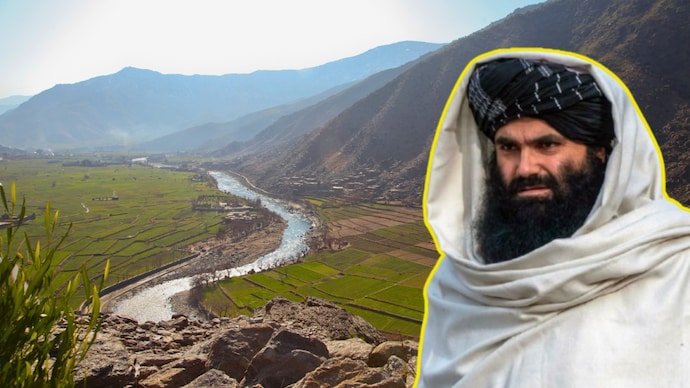
Afghanistan, under the Taliban regime, has emphasized the construction of a dam on the Kunar River as part of its broader water infrastructure development plan. The Kunar flows from eastern Afghanistan into Pakistan’s Khyber Pakhtunkhwa province, eventually joining the Kabul River before merging with the Indus. By controlling water from the Kunar, Afghanistan gains leverage over one of Pakistan’s critical water sources, impacting agriculture, hydroelectric power, and domestic water supply downstream.
The Taliban’s Supreme Leader has stated that this initiative is not merely for strategic leverage but also intended to strengthen Afghanistan’s own water and energy infrastructure. Dams can generate hydropower, provide irrigation for agriculture, and enhance water storage for domestic consumption. However, the timing of the announcement—just weeks after recent border tensions with Pakistan—has raised concerns in Islamabad about the political motivations behind the project.
curlysamrulez.com | checkerflagparts.com | theflycaster.com
ttamusic.com | dropshopdeals.com
Potential Impact on Pakistan
Pakistan is highly dependent on river water for its agriculture, which forms the backbone of its economy. Any reduction in water flow from cross-border rivers could threaten crop yields, disrupt irrigation systems, and intensify water scarcity, particularly in the arid regions of Khyber Pakhtunkhwa and Punjab. Experts warn that if Afghanistan proceeds with significant water restrictions, Pakistan’s food security and rural livelihoods could be severely affected.
Moreover, water scarcity could exacerbate existing socio-political challenges in Pakistan. In areas where agriculture is the primary source of employment, reduced water availability may lead to economic hardship, migration, and increased tensions with the central government. Water-related disputes have historically sparked friction in the region, and the Kunar River dam proposal may rekindle such conflicts if diplomatic channels are not pursued.
Regional Implications
Afghanistan’s decision also carries wider geopolitical ramifications. South Asia is one of the most water-stressed regions in the world, and transboundary rivers play a critical role in sustaining millions of people. Any unilateral move to alter water flow can inflame existing tensions and complicate regional cooperation efforts.
India has closely monitored the situation, as its own relations with both Pakistan and Afghanistan are influenced by strategic, security, and economic considerations. While India controls several rivers under the IWT framework, the broader stability of the Indus river system impacts downstream flow into Pakistan. Afghanistan’s move may encourage New Delhi to reassess its own water infrastructure projects and regional diplomacy strategies.
China, too, has an interest in the region’s water security due to its investments in Pakistan under the China-Pakistan Economic Corridor (CPEC). Reduced water availability in Pakistan could affect agriculture-dependent regions, potentially impacting trade and economic projects linked to Chinese investments.
Environmental and Technical Considerations
Building a dam on the Kunar River involves substantial engineering, environmental, and social challenges. Experts caution that constructing large-scale water infrastructure can alter ecosystems, affect riverine biodiversity, and displace local communities. Sedimentation, water quality, and downstream flow management are critical issues that must be addressed to ensure long-term sustainability.
Afghanistan’s technical capacity for large-scale dam construction is improving, with international collaboration in engineering and project management. However, limited resources, ongoing political instability, and potential opposition from affected communities could delay completion and impact the effectiveness of the project.
Diplomatic Challenges
Water diplomacy has become a core component of South Asian international relations. The Kunar River dam announcement underscores the need for formal bilateral and multilateral dialogues between Afghanistan and Pakistan. Historically, joint water management mechanisms have helped prevent conflicts, but the current political climate poses a challenge for cooperation.
Experts suggest that international organizations such as the World Bank, the United Nations, and regional bodies could play a mediating role. Transparent communication, equitable water-sharing agreements, and technical collaborations could prevent escalation and ensure that both countries benefit from sustainable water management practices.
Public and Media Reactions
The announcement has sparked debates in Pakistani media, with some commentators labeling it a strategic threat, while others urge cautious diplomacy. Afghan media portrays the dam as a development project necessary for the country’s energy and agricultural security. Social media has amplified public concern in both countries, reflecting growing awareness of water issues and their impact on daily life.
Environmental activists have emphasized the importance of balancing infrastructure development with ecosystem preservation. They argue that while dams provide immediate benefits, long-term planning is crucial to prevent adverse consequences, including habitat loss, reduced biodiversity, and social displacement.
A look at the future
Plans to control the Kunar River in Afghanistan go with the flow, marking an important second place in local water politics. If this effort comes to fruition, it should strengthen the Taliban’s bargaining position in fraught negotiations over river and water rights. Pakistan, then again, is also communicating in global guidelines, litigation or technical cooperation to reduce the impact.
Experts recommend proactive negotiations, a joint water commission, and clear monitoring of river flow to protect your increases. Given the strategic importance of water in South Asia, cooperation in the conflict zone is critical to ensure that common rivers are preserved to support agriculture, energy production and human livelihoods.
As global climate change puts pressure on freshwater resources, South Asian nations must prioritize sustainable water management, invest in better monitoring technologies, and enhance local cooperation The Kunar dam crisis serves as a reminder that water security is inseparable from political, financial, and economic insecurity environmental balance .
Conclusion: The decision to restrict the river waters of Afghanistan to Pakistan represents a strategic maneuver and development effort. Circulate underscores the fragility of transboundary water resources in South Asia and highlights the need for diplomacy, technical construction planning, and environmental management. With tens of millions of people dependent on those rivers, the trends taking place will require careful attention from policymakers, practitioners and the public.
curlysamrulez.com curlysamrulez.com curlysamrulez.com curlysamrulez.com curlysamrulez.com curlysamrulez.com curlysamrulez.com curlysamrulez.com curlysamrulez.com curlysamrulez.com curlysamrulez.com curlysamrulez.com curlysamrulez.com curlysamrulez.com curlysamrulez.com curlysamrulez.com curlysamrulez.com curlysamrulez.com curlysamrulez.com curlysamrulez.com curlysamrulez.com curlysamrulez.com curlysamrulez.com curlysamrulez.com curlysamrulez.com curlysamrulez.com curlysamrulez.com curlysamrulez.com curlysamrulez.com curlysamrulez.com curlysamrulez.com curlysamrulez.com curlysamrulez.com curlysamrulez.com curlysamrulez.com curlysamrulez.com curlysamrulez.com curlysamrulez.com curlysamrulez.com curlysamrulez.com curlysamrulez.com curlysamrulez.com curlysamrulez.com curlysamrulez.com curlysamrulez.com curlysamrulez.com curlysamrulez.com curlysamrulez.com curlysamrulez.com curlysamrulez.com curlysamrulez.com curlysamrulez.com curlysamrulez.com curlysamrulez.com curlysamrulez.com curlysamrulez.com curlysamrulez.com curlysamrulez.com curlysamrulez.com curlysamrulez.com curlysamrulez.com curlysamrulez.com curlysamrulez.com curlysamrulez.com curlysamrulez.com curlysamrulez.com curlysamrulez.com curlysamrulez.com curlysamrulez.com curlysamrulez.com curlysamrulez.com curlysamrulez.com curlysamrulez.com curlysamrulez.com curlysamrulez.com curlysamrulez.com curlysamrulez.com curlysamrulez.com curlysamrulez.com curlysamrulez.com curlysamrulez.com curlysamrulez.com curlysamrulez.com curlysamrulez.com curlysamrulez.com curlysamrulez.com curlysamrulez.com curlysamrulez.com curlysamrulez.com curlysamrulez.com curlysamrulez.com curlysamrulez.com curlysamrulez.com curlysamrulez.com curlysamrulez.com curlysamrulez.com curlysamrulez.com curlysamrulez.com curlysamrulez.com curlysamrulez.com curlysamrulez.com curlysamrulez.com curlysamrulez.com curlysamrulez.com curlysamrulez.com curlysamrulez.com curlysamrulez.com curlysamrulez.com curlysamrulez.com curlysamrulez.com curlysamrulez.com curlysamrulez.com curlysamrulez.com curlysamrulez.com curlysamrulez.com curlysamrulez.com curlysamrulez.com curlysamrulez.com curlysamrulez.com curlysamrulez.com curlysamrulez.com curlysamrulez.com curlysamrulez.com curlysamrulez.com curlysamrulez.com curlysamrulez.com curlysamrulez.com curlysamrulez.com curlysamrulez.com curlysamrulez.com curlysamrulez.com curlysamrulez.com curlysamrulez.com curlysamrulez.com curlysamrulez.com curlysamrulez.com curlysamrulez.com curlysamrulez.com curlysamrulez.com curlysamrulez.com curlysamrulez.com curlysamrulez.com curlysamrulez.com curlysamrulez.com curlysamrulez.com curlysamrulez.com curlysamrulez.com curlysamrulez.com curlysamrulez.com curlysamrulez.com curlysamrulez.com curlysamrulez.com curlysamrulez.com curlysamrulez.com curlysamrulez.com curlysamrulez.com curlysamrulez.com curlysamrulez.com curlysamrulez.com curlysamrulez.com curlysamrulez.com curlysamrulez.com curlysamrulez.com curlysamrulez.com curlysamrulez.com curlysamrulez.com curlysamrulez.com
infinityinspires.com codecraftes.com linklaunches.com pixelperkes.com quantumquestes.com sunshinstates.com techsthrive.com webeswhiz.com webswisdoms.com